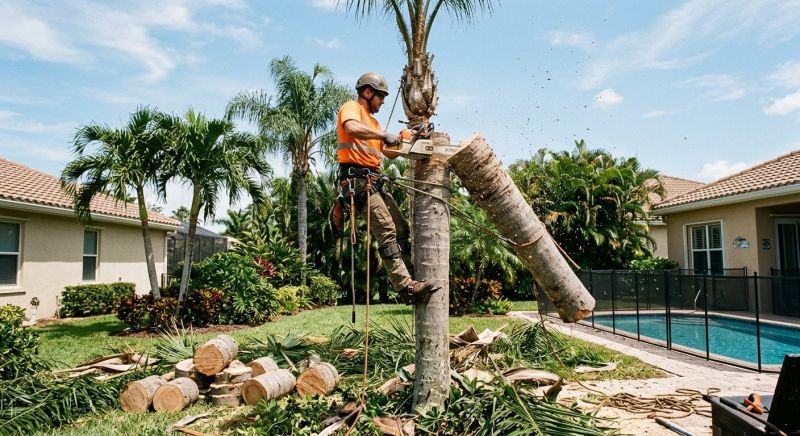
Palm Tree Removal in Bucks County, PA
Palm tree removal services involve the safe and efficient removal of palm trees that are dead, damaged, or pose a risk to property and safety. This process typically includes assessing the tree’s condition, planning the safest method of removal, and using specialized equipment to cut and extract the tree without damaging surrounding landscaping or structures. Projects often include removing overgrown or unsightly palms, clearing space for new landscaping, or addressing safety concerns caused by leaning or unstable trees.
Homeowners and property owners usually seek palm tree removal when trees are dying, have become hazardous, or are interfering with construction or other landscaping plans. It’s important to understand the size and location of the tree, as well as any potential obstacles that could affect the removal process. Proper planning and execution help ensure the work is completed safely and efficiently, minimizing disruption to the property.
Many property owners in Bucks County, PA look into Palm Tree Removal for repairs, replacements, upgrades, and appearance-related improvements.
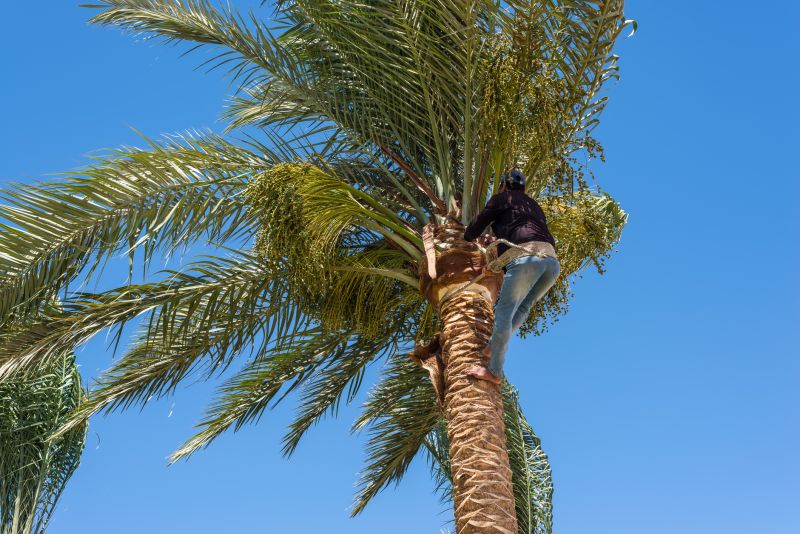
Tree Removal For Safety
Removing hazardous or dead palm trees helps protect property and visitors from potential damage.
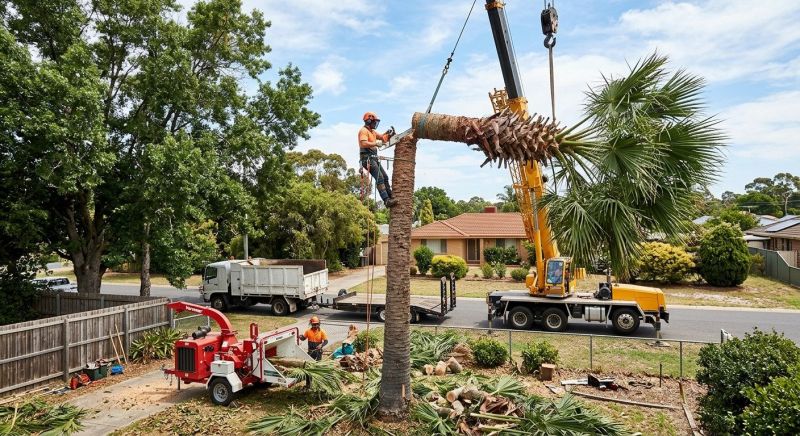
Enhancing Landscape Appearance
Clearing out overgrown or unwanted palms can improve the overall look of residential and commercial properties.
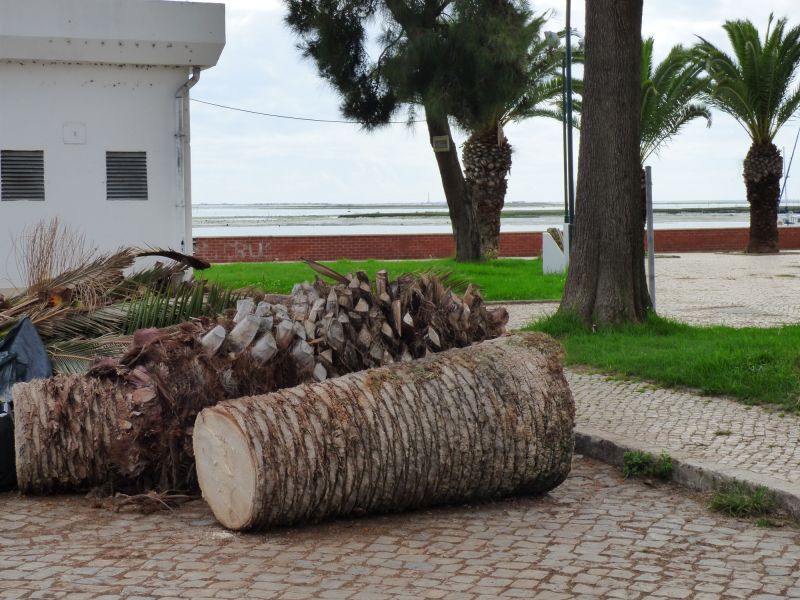
Property Maintenance And Clearance
Regular palm tree removal supports property upkeep and prevents obstruction or interference with structures and utilities.
Palm Tree Removal in Bucks County, PA
Palm tree removal services involve the safe and efficient removal of palm trees that are dead, damaged, or pose a risk to property and safety. This process typically includes assessing the tree’s condition, planning the safest method of removal, and using specialized equipment to cut and extract the tree without damaging surrounding landscaping or structures. Projects often include removing overgrown or unsightly palms, clearing space for new landscaping, or addressing safety concerns caused by leaning or unstable trees.
Homeowners and property owners usually seek palm tree removal when trees are dying, have become hazardous, or are interfering with construction or other landscaping plans. It’s important to understand the size and location of the tree, as well as any potential obstacles that could affect the removal process. Proper planning and execution help ensure the work is completed safely and efficiently, minimizing disruption to the property.
Many property owners in Bucks County, PA look into Palm Tree Removal for repairs, replacements, upgrades, and appearance-related improvements.
Common Palm Tree Removal Jobs
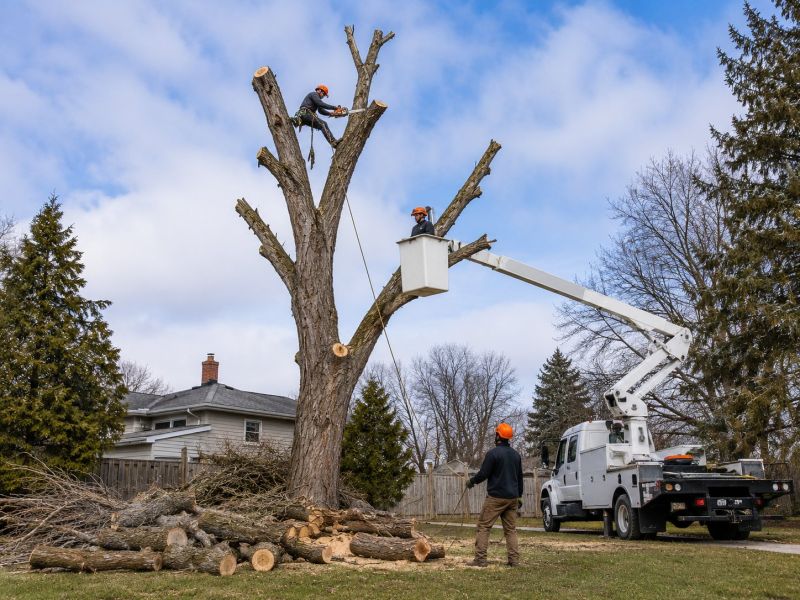
Palm Tree Removal - Complete removal of unwanted or hazardous palm trees to improve landscape safety.
Stump Grinding - Grinding down remaining stumps for a smooth, safe, and attractive yard.
Tree Trimming - Pruning palms to promote healthy growth and maintain aesthetic appeal.
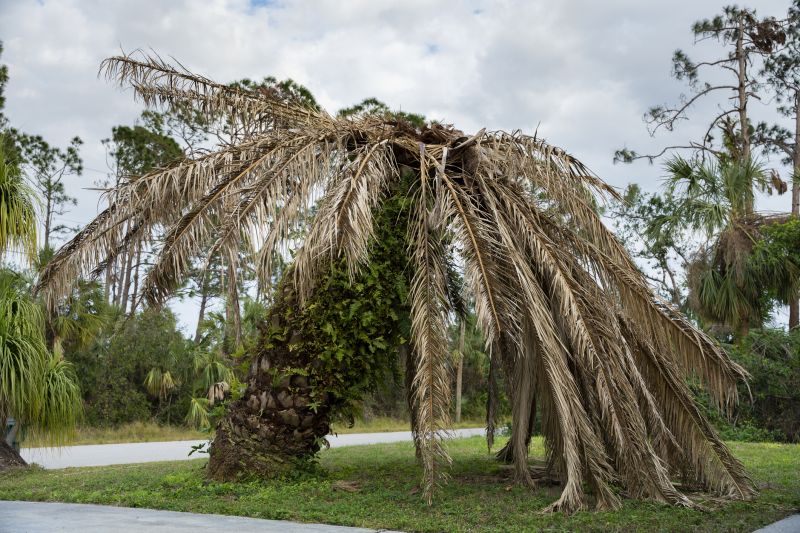
Hazardous Tree Removal - Removing damaged or diseased palms that pose safety risks.
Land Clearing - Clearing palms and debris to prepare properties for new landscaping or construction.
Palm Tree Disposal - Proper disposal of removed palms to keep properties tidy and compliant.

Palm Tree Removal Questions
When is palm tree removal necessary? Removal is recommended when a palm is diseased, dying, or poses a safety risk due to structural instability.
What should property owners consider before removing a palm tree? It's important to assess the tree's size, location, and potential impact on surrounding structures or landscaping.
Are there alternatives to complete removal for damaged palms? In some cases, trimming or pruning can manage issues, but extensive damage or safety concerns often require removal.
How does palm tree removal impact the landscape? Removal can improve safety and aesthetics, and it may create space for new planting or other landscape improvements.
Request Palm Tree Removal in Bucks County, PA
Use the quote form on this page to share the basics of your project and request more information for the type of work you need.